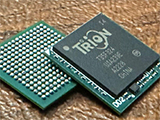
A Solution for Component Shortage & IC Obsolescence
When a semiconductor component becomes obsolete or has a lead time that is beyond 52 weeks, finding a direct replacement that fits the existing system’s footprint can be challenging. Interposers act as a bridge between the new component and the old system, allowing the integration of modern semiconductors into legacy systems without the need for extensive redesign.
DOWNLOAD
Authored By:
Greg Papandrew
DirectPCB, LLC.
FL, USA
Summary
PCB interposers provide a flexible, cost-effective, and efficient solution to the challenge of semiconductor obsolescence or unavailability. When a semiconductor component becomes obsolete or has a lead time that is beyond 52 weeks, finding a direct replacement that fits the existing system’s footprint can be challenging. Interposers act as a bridge between the new component and the old system, allowing the integration of modern semiconductors into legacy systems without the need for extensive redesign.
By allowing the integration of newer semiconductor technologies into older systems, adapters and interposers ensure that these systems can continue to function and remain relevant, despite the original components being phased out or not immediately available.
Conclusions
Obsolescence is a risk that cannot be overlooked. OEMs must proactively manage this risk to ensure product longevity, reliability, and customer satisfaction. By leveraging strategies like using PCB interposers, diversifying suppliers, embracing new technologies, and implementing robust obsolescence management plans, OEMs can effectively address component shortages and IC obsolescence.
Implementing comprehensive obsolescence management not only mitigates risks but also provides a competitive advantage. It ensures the continued operation of critical systems, supports sustainability efforts, and aligns with regulatory requirements. Companies that excel in this area are better positioned to respond to market changes, maintain customer trust, and uphold their commitments to quality and reliability.
Initially Published in the SMTA Proceedings
|