Implementing Robust Bead Probe Test Processes
This paper defines a process window for the implementation of bead probe and similar bump technology that is compatible with standard Pb-free assembly.
DOWNLOAD
Authored By:
John McMahon P.Eng, Tom Blaszczyk, Peter Barber,
Celestica, Toronto, Ontario, Canada
Summary
Increasing system integration and component densities continue to significantly reduce the opportunity to access nets using standard test points. Over time the size of test points has been drastically reduced (as small as 0.5 mm in diameter) but current product design parameters have created space and access limitations that remove even the option for these test points. Many high speed signal lines have now been restricted to inner layers only. Where surface traces are still available for access, bead probe technology is an option that reduces test point space requirements as well as their effects on high speed nets and distributes mechanical loading away from BGA footprints enabling test access and reducing the risk of mechanical defects associated with the concentration of ICT spring forces under BGA devices.
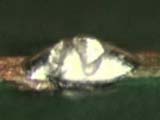
Building on Celestica's previous work characterizing contact resistance associated with Pr-free compatible surface finishes and process chemistry; this paper will describe experimentation to define a robust process window for the implementation of bead probe and similar bump technology that is compatible with standard Pb-free assembly processes. Test Vehicle assembly process, test methods and "Design of Experiments" will be described. Bead Probe formation and deformation under use will also be presented along with selected results.
Conclusions
The experimental results demonstrate that Bead Probe technology when combined with the process and implementation approach developed here provides a viable option to removing traditional test points while still providing access. Furthermore, this implementation of BPT does not necessitate increased probe spring forces to match standard probe contact resistance performance.
Initially Published in the IPC Proceedings
|