Investigation of Whisker Growth on Wire and Braid
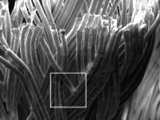
This paper presents data from humidity, temperature conditioning, and electron microscopy inspection of tin coated wire specimens of various size and age.
DOWNLOAD
Authored By:
Dave Hillman and Tim Pearson
Rockwell Collins, Cedar Rapids IA USA
Thomas Lesniewski
Northrop Grumman Corporation, San Diego CA USA
Summary
Pure tin is a common finish for copper hook up wire, coaxial cable, ground braid and harness assemblies used on electronic assemblies. Historically there have been fewer reports of whisker growth on tin coated copper wire than on other types of tin coated parts. This paper presents data from humidity- temperature conditioning and electron microscopy inspection of tin coated wire specimens of various size and age. After 4000 hours of 85°C/85%RH conditioning, some of the wires showed tin whisker growth, but the growth was very sparse with near zero density distribution and whisker lengths were typically less than 10 microns. The data indicate very low risk for whisker growth on tin coated copper wire, braid and cable.
Conclusions
The tin whiskers observed and documented on a small sample size of wire and cable specimens, subjected to the high temperature/high humidity conditioning, were characterized as low risk potential for causing product issues.
Whisker suppression in tin electroplated wires is most likely due to a combination of relatively thin plating, geometry (no sharp edges) and post-plating processing operations that may relieve stresses in the tin layer. None of these three factors appear to be a cure-all for whisker growth, but the combination of factors appears to be effective in suppressing whisker growth. In hot tin dipped and electroplated wires with thin (type S) tin coating, whisker suppression is likely enhanced due to copper-tin intermetallic compound growth that consumes the tin layer a short time after manufacture.
It can be concluded that electrodeposited and redrawn tin plated wire, braid and cable products can be used on high reliability hardware with no further steps necessary to mitigate tin whisker growth.
Initially Published in the IPC Proceedings
|